
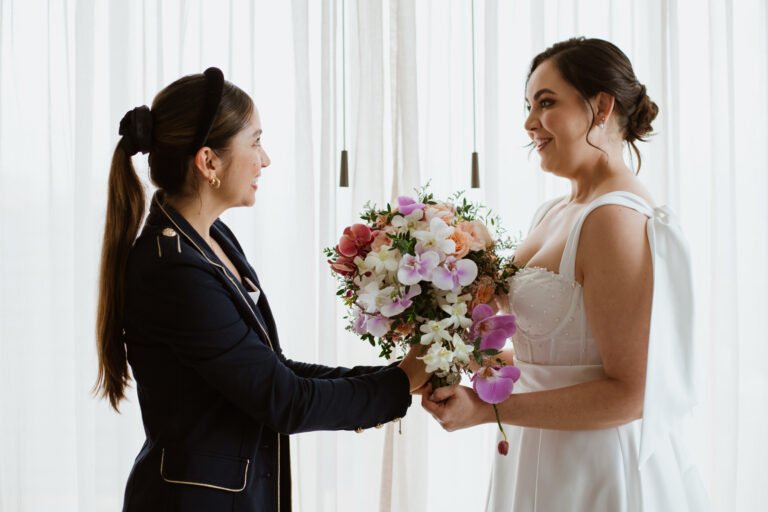
Key considerations to help you make an informed decision and choose the person you will trust to plan one of the most important days of your life.
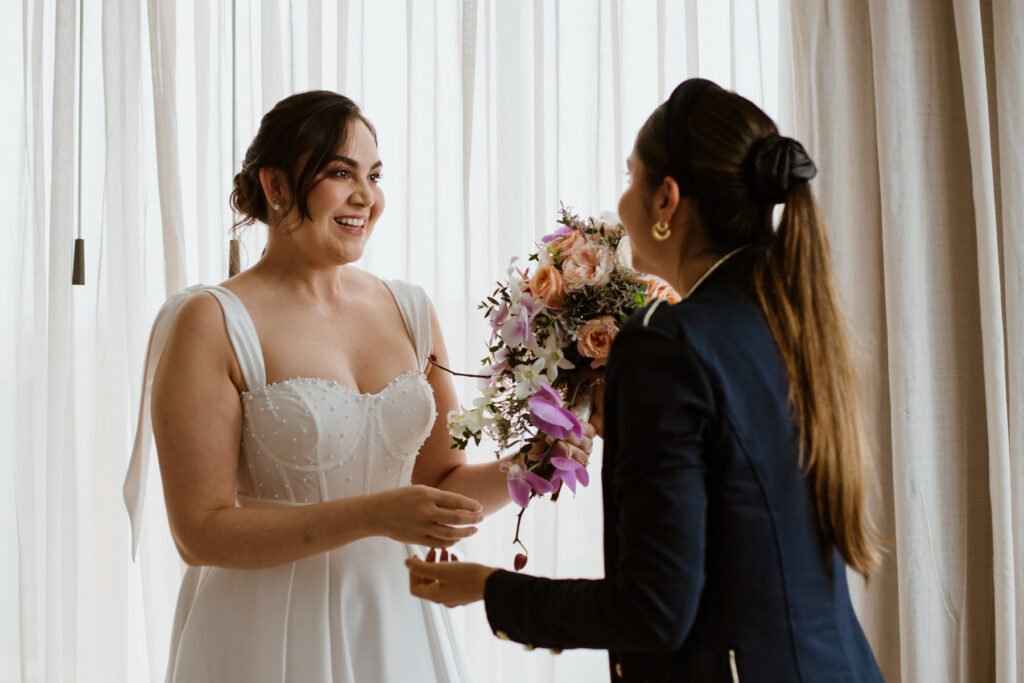
Planning a wedding involves countless decisions. When it comes to choosing a wedding planner, it is natural to seek recommendations, review portfolios, request proposals, and compare budgets.
However, amid all the information and options available, there is something we should never lose sight of: we are not simply choosing a service; we are choosing the person we will trust with our budget, expectations, communication throughout the process, and many of the most important decisions surrounding our celebration.
Price is certainly a valid consideration, but it should not be the only one. Before making your decision, there are six key aspects worth considering.
Today, we can find spectacular photographs, beautifully styled setups, and stunning weddings across social media. But behind every beautiful image, there is much more than meets the eye.
Take the time to learn about the person behind the service: their professional background, education, experience, life experiences, cultural understanding, and the different perspectives that have shaped their work.
Wedding planning is far more comprehensive than it may seem. It requires skills in organization, design, negotiation, administration, communication, interpersonal relationships, and project management. It also calls for sensitivity to understand different cultures, perspectives, and ways of celebrating.
Professional and personal experiences, travel, and exposure to different environments and cultures can broaden a planner’s perspective and enrich the way they understand each couple’s needs.
Review their portfolio, look for testimonials and references, and learn about the types of events they have planned and their ability to manage a project from beginning to end.
When choosing your wedding planner, do not focus solely on what they have done. Take the time to understand who they are, how they think, what knowledge supports their work, and which experiences have shaped their approach.
Aesthetics matter, but so do sound judgment, preparation, organization, and problem-solving skills.

Today, we have access to an enormous amount of information. We discover venues, vendors, and wedding planners through social media, directories, recommendations, and online searches.
It is easy to fall into an endless cycle of consultations and quote requests, thinking that the more proposals we receive, the better our chances of making the right choice.
But not all options are truly comparable. They may differ in scope, included services, experience, or ways of working.
Before continuing your search, define what you need, what matters most to you, and which qualities you are looking for in the professional who will accompany you throughout this process.
Requesting quote after quote without clear criteria can turn wedding planning into an exercise in price comparison, rather than helping you find the option that truly meets your expectations.
When receiving proposals or meeting with different wedding planners, it is important to understand what each service includes and what lies behind its price.
Who will be responsible for planning and coordination? What level of support is offered? Does the service include site visits, vendor meetings, contract reviews, and budget tracking? What kind of team and structure support the service?
A full-service planning package that supports a couple over several months is not necessarily comparable to a service that only covers wedding-day coordination, or to a full-planning service that places significant limitations on meetings, communication, follow-up, and assistance.
Consider how involved your planner will be throughout the process. Will you be able to rely on their guidance when questions, changes, or important decisions arise? Will communication be personal, consistent, and timely? Will you feel that someone knows your project, understands your expectations, and is available to support you, even during moments of uncertainty?
It is also important to clarify whether your planner will be present on the wedding day, when their coverage begins, and how long they will stay.
Wedding planning is not simply about completing a checklist; it is also about supporting people, listening, providing guidance, and creating peace of mind. Service quality is reflected not only in what gets done, but also in the responsiveness and personal support you receive along the way.
Two proposals may have very different prices because they involve different responsibilities, time commitments, and levels of support.
A proposal should not be evaluated by its price alone, but by the scope of services, experience, professional support, and peace of mind it offers.
The lowest-priced proposal is not necessarily the one that best suits your needs or offers the greatest value. It is not about choosing the most expensive option, but about understanding exactly what you are hiring and what you will receive in return.
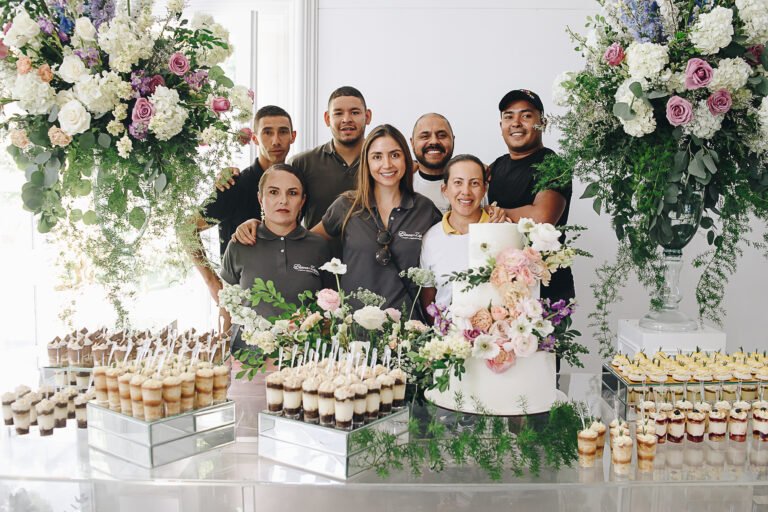
Your wedding planner will be involved in important decisions, coordinate multiple professionals, and have access to essential information about your budget.
Before hiring someone, take the time to verify:
You should also understand how your wedding budget will be managed: how costs are presented, how payments are organized, how financial commitments are tracked, and how additional expenses are communicated.
A good first impression is not enough. Make sure you understand how your planner works, organizes each stage, presents information, and responds to your questions and concerns.
Trust is not built through words alone; it is demonstrated through the way each stage of the process is handled.
When planning your wedding from another country, choosing your wedding planner in Colombia takes on an additional dimension.
You may not be able to visit every venue in person, meet with every vendor, or oversee each booking yourself. That is why you need someone who knows the destination, has reliable professional relationships, can assess local options, and knows how to anticipate logistical needs.
It is not simply about recommending venues or sending quotes. It is about having a professional with the experience and judgment to guide you, evaluate options, coordinate details, and support important decisions responsibly, even when you are not physically there.
Destination wedding planning involves much more than coordinating the celebration itself. It also requires a comprehensive understanding of the destination and the ability to guide couples through the elements that complete the experience, such as hotel recommendations, accommodation options, transportation, travel logistics, activities, and places of interest.
The goal is to anticipate the needs of both the couple and their guests, bring the different services together, and help ensure that the entire experience, from arrival to departure, is organized, seamless, and memorable.
Delegating does not mean giving up control. It means having a professional who provides guidance, structure, and support within a relationship built on trust, communication, and transparency.
You should understand what you are hiring, how your budget is organized, what the vendors’ terms and conditions are, and how decisions are made. The purpose of hiring a wedding planner is to have the guidance and support you need, without having to become an expert in every aspect of wedding planning.
Choosing well means finding someone whose experience, judgment, working style, and values align with what you envision for your celebration.
Because a memorable wedding does not begin on the wedding day. It begins with the peace of mind that comes from knowing who is behind every decision and feeling that you are in good hands.
If you are planning your wedding in Colombia, especially from abroad, I invite you to learn more about my background, my work, and the experiences of couples who have trusted me to guide them through this journey.
With over 10 years of experience in wedding and event planning, design, and production, my purpose is to create meaningful and memorable experiences, thoughtfully taking care of every detail while giving each couple the peace of mind to truly enjoy the process.
Discover more about EZ Weddings & Events by Eliana Zapata, explore my portfolio, and read about the experiences of other couples.
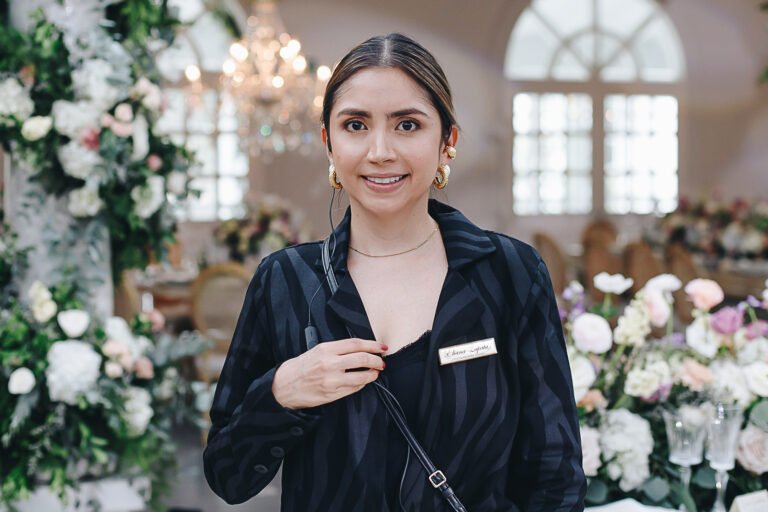
Let’s get started!